
Bachelor’s study programme
Industrial Electrical Engineering
Why study the Industrial Electrical Engineering programme?
- individual and supportive approach to students (similar to renowned universities worldwide)
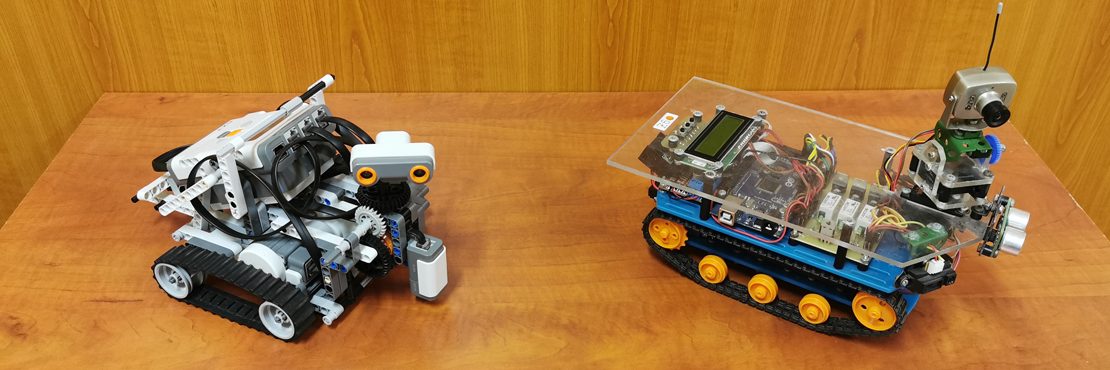
- the opportunity to gain the latest knowledge in electrical engineering and applied industrial informatics (technical applications of embedded systems using various operating systems, microprocessor-based control applications, image and sound recognition, modern industrial sensors and signal acquisition methods, solving problems in the field of electromagnetic compatibility of devices, design and implementation of systems controlled via the Internet and wireless technologies)
- the opportunity to participate in scientific and research projects and become a member of a top young research team that successfully addresses current scientific and technical problems also tackled at leading research institutions worldwide (completed Volkswagen Foundation project — a 1:10 functional model of a wireless electric vehicle charger, a project on a converter for alternative energy sources with increased energy conversion efficiency, and others; approximately 2 patent applications per year are filed with student co-authorship)
- the opportunity to take an active part in international mobility and cooperation
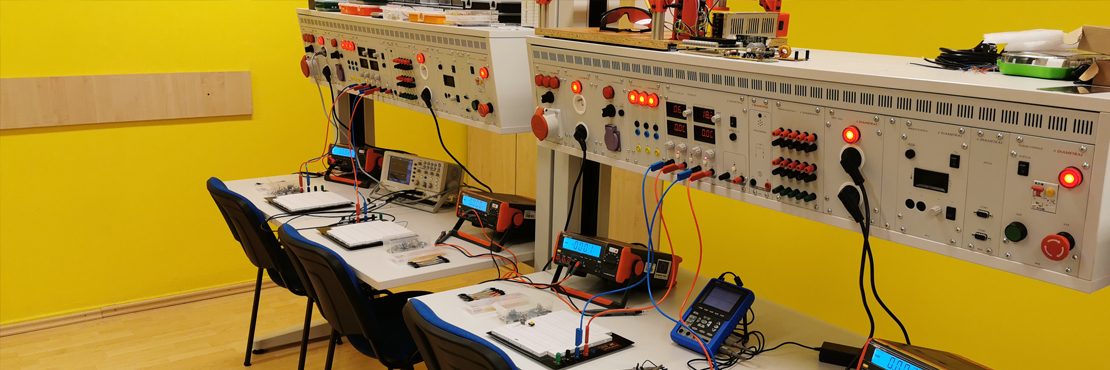
- the opportunity to work with state-of-the-art equipment and technology (acquired as part of the EU-funded project “Centre of Excellence for Integrated Research and Use of Progressive Materials and Technologies in the Field of Automotive Electronics”, ITMS 26220120055, and in newly equipped modern laboratories)
- the opportunity to complete part of the studies as a work placement in a company
Graduate profile
The Industrial Electrical Engineering study programme trains Bachelor’s graduates with a broad theoretical and general overview of electrical engineering, complemented by foundational knowledge in electrical engineering, informatics, management, economics and language training, so that the graduate is able to effectively and efficiently manage as well as independently carry out specialist electrical engineering work. Graduates also gain the opportunity to continue at Master’s level in the same or a related field. Their main employment opportunities are in those institutions whose work requires the application of electrical engineering, informatics, economics and management methods.
More detailed information about the study programme
Interested in the electrical engineering course, or curious about what our graduates say?